Trauma-informed therapy for children, teens, and young adults across the Dallas–Fort Worth area, including McKinney, Plano, Frisco, and Allen.
Children sometimes struggle to express what they are feeling through words alone. Anxiety, trauma, family stress, or difficult life experiences can show up through behavioral changes, emotional outbursts, withdrawal, or challenges at school.
Growing Beyond provides a safe and supportive environment where children can explore their experiences, understand their emotions, and develop healthy coping skills. Through trauma-informed and developmentally appropriate approaches—including play, art, and other expressive therapies—children learn to process difficult experiences and rebuild a sense of safety, confidence, and emotional stability.
Child Therapy (5+)
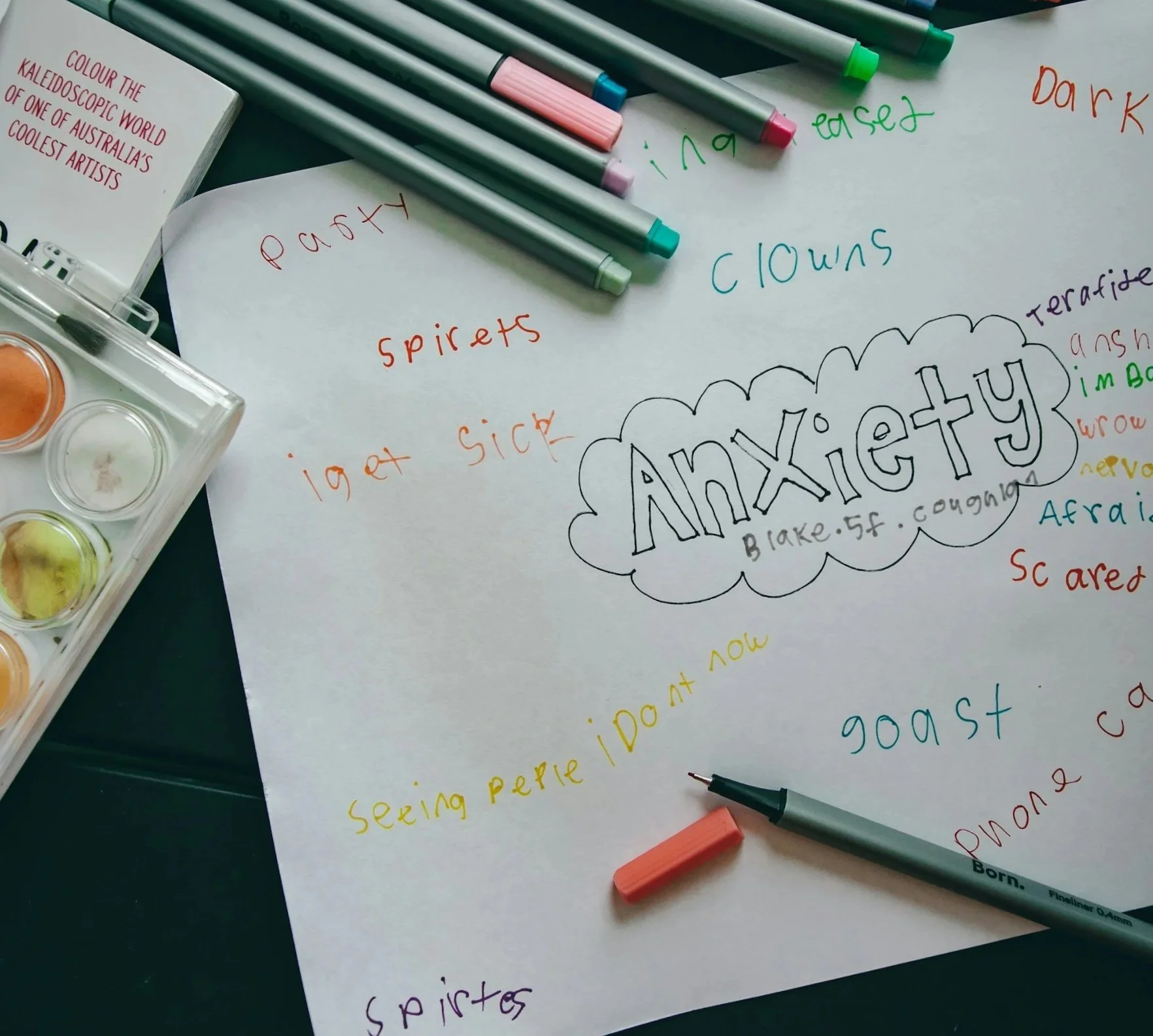
The preteen and teen years are a time of tremendous growth, but they can also bring intense emotional pressure. Many adolescents struggle with anxiety, depression, emotional overwhelm, academic stress, self-harm behaviors, or conflict at home.
Growing Beyond provides a supportive space where teens can better understand their emotions, process past trauma, develop healthier coping strategies, strengthen communication, and build healthier relationships. Treatment focuses on helping teens regulate emotions, manage stress, and develop the confidence and skills needed to navigate life’s challenges.
Teen Therapy

Young adulthood can bring important transitions, evolving relationships, and shifting responsibilities. While these changes can create opportunities for growth, they can also bring uncertainty, stress, or emotional challenges. Many adults seek support when navigating anxiety, relationship difficulties, life transitions, changing family roles or dynamics, or the lasting effects of past experiences.
Growing Beyond provides a supportive space where individuals can explore their experiences, strengthen emotional stability, develop healthier coping strategies, and improve communication and relationships, helping individuals move forward with greater confidence, clarity, and direction.
Young Adult Therapy
From time to time, Growing Beyond offers group therapy opportunities designed to support clients and families facing similar challenges. These groups provide a supportive environment where participants can learn practical skills, share experiences, and build resilience alongside others navigating similar situations. Groups may include psychoeducational workshops, skills-based groups (such as emotional regulation or DBT-informed coping skills), and parenting support groups designed to help caregivers better understand and respond to their child’s emotional and behavioral needs. Parenting groups may focus on strengthening parenting skills, supporting children healing from trauma or abuse, and helping adoptive families navigate changing family roles and dynamics.
Group offerings vary throughout the year depending on client needs and interest. Sessions may incorporate a variety of interactive approaches—including discussion, skill-building activities, and creative expression—to help participants learn, connect, and grow in a supportive environment.
Group Therapy
Online Therapy
Most services at Growing Beyond Therapeutic Services are available both in person and through secure online therapy using a HIPAA-compliant video platform. Online sessions provide a convenient and flexible option for individuals and families who prefer to meet from the comfort of their home, live outside the immediate McKinney area, or when in-person visits are not possible.
Online therapy allows clients across Texas to receive the same thoughtful, trauma-informed care while maintaining privacy, comfort, and consistency in treatment.
What we help with
Young people and families seek therapy for many different reasons. Some are navigating ongoing emotional or behavioral challenges, while others are responding to difficult life experiences or transitions. Growing Beyond provides support for individuals experiencing:
Emotional and Mental Health Challenges
Anxiety
Trauma and PTSD
Depression and mood-related concerns
Difficulty regulating or managing emotions
Self-harm behaviors
Low self-esteem or lack of confidence
Life and Family Stressors
Family, relationship, academic, or school-related stress
Life transitions and adjustment challenges
Behavioral or emotional challenges in children and teens
Changes in family roles or dynamics, including experiences within adoptive families

Treatment Approaches
Growing Beyond uses evidence-based and developmentally appropriate approaches tailored to each individual’s needs. These approaches help clients better understand their emotions, process difficult experiences, develop healthy coping strategies, and build a greater sense of stability and confidence.
-
CBT helps individuals understand how thoughts, emotions, and behaviors are connected. Clients learn practical strategies to manage anxiety, challenge unhelpful thinking patterns, and respond to stress in healthier ways.
Outcomes: improved coping skills, reduced anxiety and negative thinking, and greater emotional control.
-
TF-CBT is a specialized approach designed to help children and teens safely process and heal from traumatic or distressing experiences. It also supports parents in understanding and responding to their child’s emotional needs.
Outcomes: reduced trauma symptoms, improved emotional regulation, and a renewed sense of safety and confidence.
-
DBT focuses on helping individuals manage intense emotions and develop skills for emotional regulation, distress tolerance, and healthier relationships.
Outcomes: greater emotional stability, improved impulse control, and stronger interpersonal skills.
-
Item descriACT helps individuals develop psychological flexibility by learning to accept difficult emotions while focusing on actions that align with their values.
Outcomes: increased resilience, improved emotional awareness, and greater clarity about personal values and direction.ption
-
Play therapy allows children to express feelings, experiences, and concerns in ways that feel natural and developmentally appropriate. Through play, children can explore emotions, process difficult experiences, and build coping skills.
Outcomes: improved emotional expression, increased confidence, and healthier ways of coping.
-
Art therapy uses creative expression to help individuals explore emotions, process experiences, and communicate feelings that may be difficult to put into words.
Outcomes: greater self-awareness, emotional release, and improved emotional regulation.
-
Family Systems Therapy focuses on understanding how family relationships and patterns influence individual experiences. Therapy works with families to strengthen communication, improve understanding, and create healthier relationship dynamics.
Outcomes: stronger family relationships, improved communication, and a more supportive home environment.
When to Consider Therapy
Children and teens experience many emotional ups and downs as they grow. However, when stress, emotional struggles, or difficult experiences begin to affect daily life, relationships, or a young person’s sense of stability, additional support can make a meaningful difference.
Parents often consider therapy when they begin noticing changes such as:
persistent anxiety or excessive worry
emotional outbursts, mood swings, or increased irritability
withdrawing from friends, family, or activities they once enjoyed
increased stress related to school or academic performance
self-harm behaviors or concerning coping patterns
ongoing conflict at home or difficulty communicating
difficulty adjusting after a traumatic or distressing experience
Seeking support early can help young people better understand their emotions, develop healthier coping strategies, and regain a sense of stability and confidence.

What Therapy Helps With
Therapy provides a supportive space where young people can better understand their experiences and develop the skills needed to navigate life’s challenges. Through therapy, individuals often learn to:
regulate emotions more effectively
manage anxiety and overwhelming feelings
process difficult or traumatic experiences safely
develop healthy coping strategies
strengthen communication and relationships
build confidence, resilience, and emotional stability
The goal of therapy is not only to reduce distress, but to help young people develop the tools they need to move forward with greater confidence and well-being.

What the First Session Looks Like
Starting therapy can feel like a big step—for both parents and young people. The first session is designed to be welcoming, supportive, and focused on understanding what your child or family has been experiencing.
During the initial appointment, we spend time getting to know your child or teen, learning about their experiences, and discussing the concerns that brought your family to therapy. This conversation helps us understand current challenges, strengths, and goals for therapy.
For younger children, the session may include play or creative activities to help them feel comfortable expressing themselves. With adolescents and young adults, the conversation often focuses on helping them share what they have been experiencing in a safe and supportive environment.
Parents are also an important part of this process. Time is set aside to talk about your concerns, answer questions, and discuss ways to support your child’s progress both in and outside of therapy.
Together, we begin developing a plan that supports emotional growth, healthier coping strategies, and meaningful, lasting change.